  1. Blog
  2. Article

Canonical
on 3 August 2017

Upgrading your Ubuntu-on-Windows install to the app version


Our team and Microsoft recently released Ubuntu as a Windows app store application! If you toyed with the “bash on Ubuntu on Windows” version before and would like to try the latest and greatest, read on!
Saving your data

If your “bash on ubuntu on windows” environment has some data you’d like to keep, make sure you back it up now. The uninstall process will nuke everything.

Uninstall the old way

This is relatively simple. Opening a command line (cmd.exe) terminal and typing

lxrun /uninstall

will destroy your previous environment.

Installing the new way

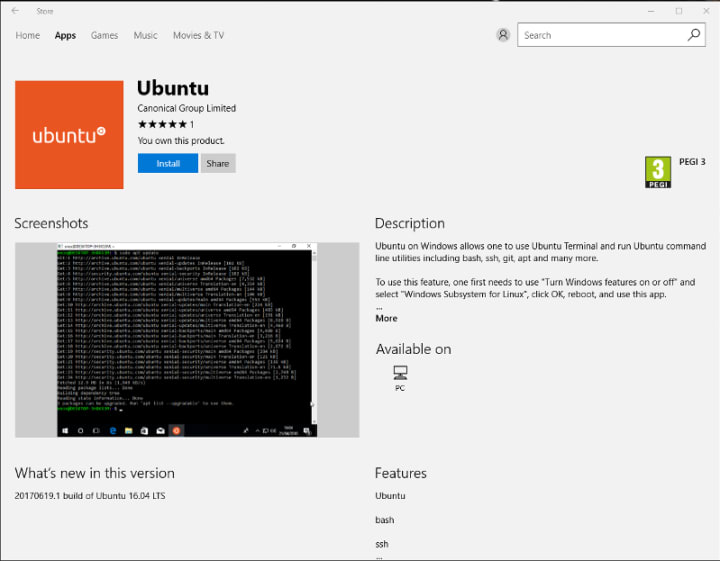
To find the app in the Microsoft store, just type “Ubuntu” in the search bar. Click install. Voilà!

Related posts


Canonical
6 July 2026

Building an open source chain of trust: new research uncovers key blockers and ways forward

Canonical announcements Article

Canonical is pleased to share its latest research report, “The open source chain of trust.” Based on a survey of 500 DevOps professionals, the report highlights how organizations approach their open source software supply chains. While many companies are moving toward verifiable provenance and automated security workflows, internal misali ...


Jaume Rafols
6 July 2026

Beyond safety and security: Why automotive open source demands dependability 

Automotive Article

In the traditional automotive world, teams often work in silos: the cybersecurity experts lock down the ports, the quality assurance teams hunt for bugs, and the functional safety engineers track the ISO 26262 compliance. At Canonical, we believe this fragmented workflow causes friction rather than collaboration. ...


Luci Stanescu
1 July 2026

DirtyClone Linux kernel local privilege escalation vulnerability fixes available

Ubuntu Ubuntu tech blog

On June 25, 2026, JFrog published their research into CVE-2026-43503, referring to the vulnerability as DirtyClone. The vulnerability had previously been responsibly disclosed to the Linux kernel maintainers and the CVE record published on May 23, 2026. The vulnerability affects multiple Linux distributions, including all Ubuntu releases. ...